
 (602) 448-2899
Blogs
Waterproof vs Water-Resistant Flooring: What’s the Difference?

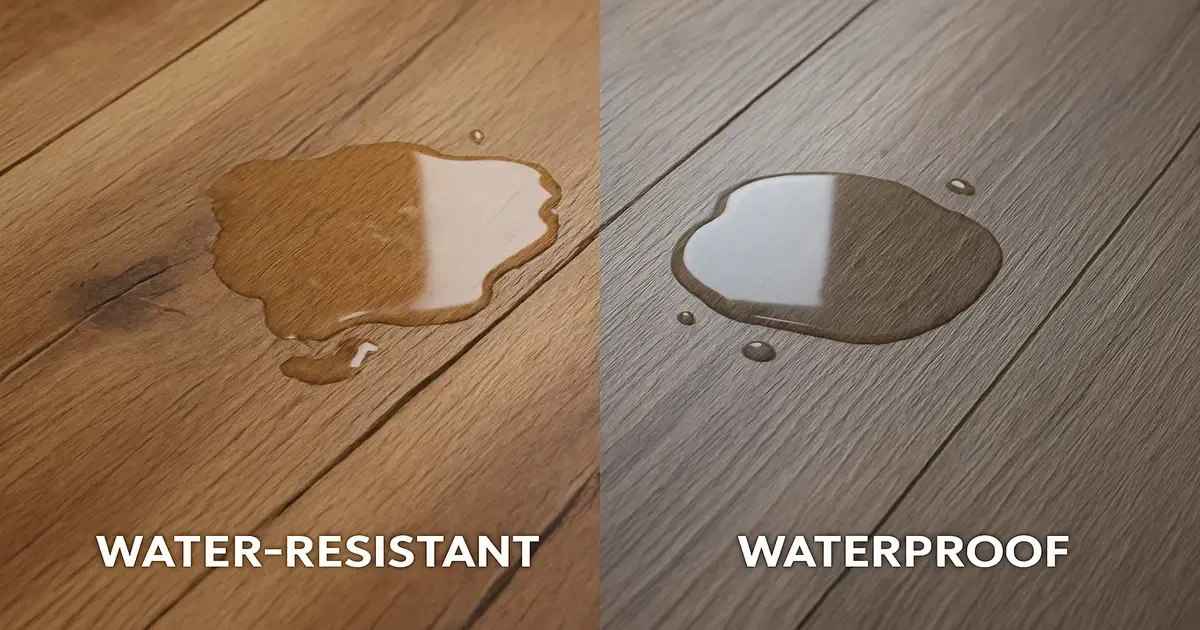
If you’ve ever shopped for new floors, you’ve likely seen two similar-sounding labels: waterproof and water-resistant. At first glance, they seem interchangeable. After all, both sound like they protect your floors from spills and moisture. But the reality? They behave very differently once life starts happening, especially in rooms like kitchens, bathrooms, laundry rooms, and entryways.
Understanding waterproof vs water-resistant flooring isn’t just about knowing what each term means. It’s about knowing how your floors will hold up when your dishwasher leaks, your toddler misses the cup, or your dog barrels in after a monsoon storm. Choosing the wrong type could mean swelling, staining, or costly repairs down the road.
At Diamondback Flooring, we help Phoenix homeowners navigate this decision every day during our shop-at-home visits. By the end of this guide, you’ll know exactly how waterproof and water-resistant flooring performs, which rooms each is best suited for, and how to choose the right material for your home’s unique needs.
What Water-Resistant Flooring Actually Protects You From
Water-resistant flooring is designed to handle occasional moisture, but only for a limited amount of time. It gives you a buffer window before water begins to penetrate the surface. Laminate, certain engineered wood styles, and some carpets fall into this category.
When considering waterproof and water-resistant flooring, water-resistant materials are ideal for spaces where spills are predictable but not constant. If you wipe up quickly, the floor remains unharmed. Think living rooms, bedrooms, hallways, home offices, and dining areas. In these spaces, water-resistant flooring performs beautifully and often offers warmer textures and a wider range of aesthetic options.
However, the keyword is “resistant”, not immune. Puddles, standing water, or repeated moisture exposure can cause swelling, warping, or stains over time. This is why understanding your household habits and specific room conditions is essential.
What Waterproof Flooring Really Means
Waterproof flooring takes moisture protection to the next level. These materials prevent water from penetrating the surface or the core, even if spills sit for hours or days. Luxury Vinyl Plank (LVP), SPC (Stone Polymer Composite), and tile are popular waterproof choices.
In the waterproof vs water-resistant flooring comparison, waterproof options are the clear winners for moisture-heavy rooms. They’re the top picks for bathrooms, laundry rooms, kitchens, and entryways, any space where water is practically guaranteed to show up.
Waterproof flooring is also a lifesaver for households with pets, kids, or frequent entertaining. If you’ve ever discovered a spill hours after it happened, waterproof flooring gives you peace of mind that your floors won’t suffer long-term damage. Also Read How to Choose Between Vinyl Vs Tile Flooring.
Why Core Construction Matters
Moisture affects floors from above, below, and even at the edges. That’s why the core material inside each plank is crucial in the waterproof vs water-resistant flooring decision.
Water-resistant laminate often has an HDF (high-density fiberboard) core. While dense, it can swell if exposed to long-term moisture.
Waterproof Vinyl Flooring uses a PVC or SPC core that does not absorb water, ever. Tile, being inherently non-porous, doesn’t allow water to penetrate at all. Understanding what’s inside each plank helps ensure the product performs exactly the way you expect.
Comfort, Style, and Maintenance Considerations
While water performance is critical, comfort and appearance also matter. Water-resistant laminate often has the advantage of a warm, realistic wood feel. Waterproof vinyl, on the other hand, offers impressive durability and a massive range of visuals, from stone to hardwood textures.
Maintenance is easier with waterproof materials since you don’t have to worry about wiping spills immediately. Water-resistant flooring, however, may require quicker attention to maintain longevity.
When comparing waterproof and water-resistant flooring, lifestyle plays a big role. Busy households with pets or small children usually appreciate the forgiving nature of waterproof flooring. Meanwhile, quieter households may prioritize the aesthetic warmth of water-resistant materials.
Which Rooms Need Which Type?
Let’s break it down:
- Bathrooms: Always waterproof. Splashes, steam, and humidity are constant.
- Kitchens: Waterproof strongly recommended. Leaks and spills happen more often than we like to admit.
- Laundry Rooms: Waterproof is the safest choice, especially around washing machines.
- Living Rooms & Bedrooms: Water-resistant is typically more than enough.
- Entryways: Waterproof is ideal, especially if wet shoes or umbrellas are routine.
The Best Way to Decide? See Them in Your Home.
Lighting and décor impact how flooring colors and textures appear. That’s why Diamondback Flooring brings both waterproof and water-resistant flooring samples directly to your home. You can compare tones next to your cabinets, feel textures under your bare feet, and see how materials respond to your actual lighting.
We’ll walk you through the differences between waterproof and water-resistant flooring, help you understand installation requirements, and give you an honest, itemized quote, right at your kitchen table.
Get Personalized Guidance Today
Ready to choose flooring that fits your lifestyle? Schedule a free in-home consultation with Diamondback Flooring. We’ll help you compare waterproof vs water-resistant flooring and guide you to the best option for each room in your home, making the decision easy, clear, and stress-free.