
 (602) 448-2899
Blogs
How to Choose Between Vinyl Vs Tile Flooring

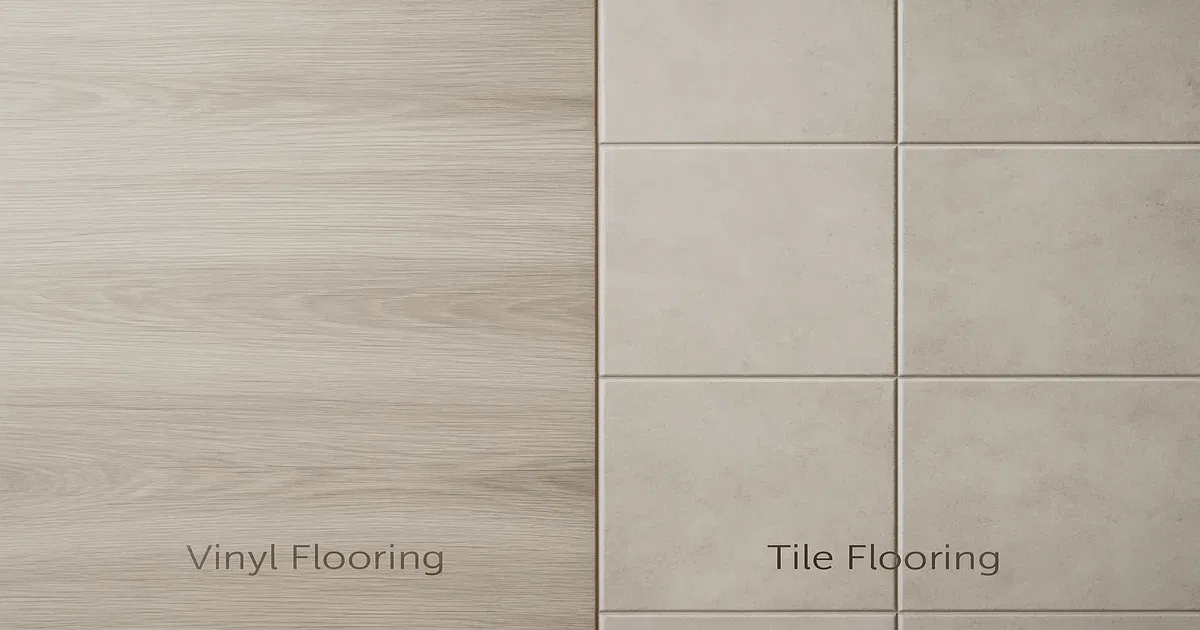
Choosing between vinyl vs tile flooring can feel overwhelming because both materials offer big benefits, long-term durability, and great design potential. They each come in endless styles and can completely transform a space, so how do you know which one is right for your home? The truth is, vinyl and tile serve different needs, and understanding how they perform makes the decision surprisingly simple.
Maybe you want something waterproof for the kitchen, something comfortable for the living room, or something long-lasting for the bathroom. Or maybe you just want flooring that looks incredible without blowing your budget. When we help Phoenix homeowners compare vinyl and tile flooring, we look at real-life factors, how you use the room, your maintenance habits, and the look and feel you want.
By the end of this guide, you’ll understand exactly how vinyl and tile stack up in terms of cost, durability, comfort, and style, and which one will truly make your space shine.
1. Cost Comparison
One of the biggest differences in the vinyl vs tile flooring debate is cost. Vinyl flooring, especially Luxury Vinyl Plank (LVP) and Luxury Vinyl Tile (LVT), is typically more budget-friendly. Even high-end vinyl tends to cost less than most tile options, and installation is quicker, which reduces labor expenses.
Tile, on the other hand, is generally more expensive both in material and installation. It requires more intensive prep, leveling, and labor. But tile also has the potential to last for decades. If you’re planning long-term and don’t mind the upfront investment, tile may offer greater lifetime value.
If budget is a top priority, vinyl gives you more room to play with styles and colors without sacrificing quality.
2. Durability
Tile is famously durable. Porcelain and ceramic stand up to scratches, dents, and heavy impact. They’re ideal for high-moisture spaces like bathrooms and showers. This is where tile often wins the vinyl vs tile flooring comparison. Its surface is incredibly tough.
Vinyl is also durable, but in a different way. LVP and LVT are waterproof and resistant to scratches, but they’re softer underfoot. While they don’t chip like tile can, they can be damaged by sharp objects or heavy furniture dragged across the planks. Also Read Differences about Waterproof vs Water-Resistant Flooring.
For homes with kids, pets, or busy hallways, both materials work well, but your lifestyle will determine which one performs better in your daily routine.
3. Comfort and Temperature
If you’re sensitive to how flooring feels underfoot, this section is key. Vinyl offers more comfort. It’s warmer, quieter, and softer, which makes it ideal for living rooms, bedrooms, and play spaces. It also pairs nicely with area rugs and absorbs sound well.
Tile, however, stays cool, which Phoenix homeowners often love during summer. But in colder months or in rooms where you stand often (like the kitchen), tile can feel hard or chilly unless paired with mats or radiant heat.
If comfort is a priority, vinyl is usually the winner. If coolness and structure matter, tile may be better suited.
4. Moisture Resistance
Here’s where things get interesting. Both options can be fully waterproof.
Tile is naturally impervious to water and is perfect for bathrooms, showers, laundry rooms, and entryways. Vinyl, especially LVP and LVT, is also 100% waterproof, making it an excellent alternative to tile in moisture-prone spaces.
The key difference is installation. Tile requires expert grouting and sealing to ensure moisture resistance. Vinyl requires a flat, clean subfloor but is much more forgiving overall. If you want waterproofing without the intensive install, vinyl is a great choice. If you want spa-like luxury or long-term value in wet rooms, tile excels.
5. Style and Design
Vinyl has evolved dramatically. High-quality LVP mimics wood and stone so convincingly that many homeowners can’t tell it’s not a natural material. This gives vinyl a big advantage in design flexibility, especially for those who want the appearance of Hardwood Flooring in kitchens and bathrooms.
Tile, however, brings timeless elegance. It offers classic stone, marble, and geometric patterns that vinyl can imitate but never fully duplicate. Tile shines in modern bathrooms, European-inspired kitchens, and high-end entryways.
So, in the vinyl vs tile flooring design comparison:
- Vinyl wins for warmth, realism, and versatility.
- Tile wins for luxury, texture, and architectural character.
6. Installation
Vinyl’s installation is straightforward and often much faster. It’s ideal for quick makeovers and larger projects where time matters. Tile installation takes longer and requires precision, leveling, grout work, and curing time.
If your goal is a speedy upgrade, vinyl will get you there faster. If you want a handcrafted look with long-term permanence, tile is worth the extra time.
See Vinyl and Tile in Your Home with One Visit
The best way to decide between vinyl and tile flooring is to see both materials in your home’s lighting, next to your furniture and décor. Diamondback Flooring brings full-size samples to you so you can compare colors, textures, and finishes without guesswork.
We’ll walk you through each option, show you how they perform in real life, and give you clear pricing so you can make a confident decision.
Ready to Choose Your Perfect Floor?
Schedule a free in-home consultation with Diamondback Flooring. Whether you’re leaning toward the comfort of vinyl or the timeless beauty of tile, we’ll help you pick the right material and install it flawlessly, so your floors look stunning for years.