
 (602) 448-2899
Blogs
What Is Engineered Wood Flooring? Benefits, Installation, and Care

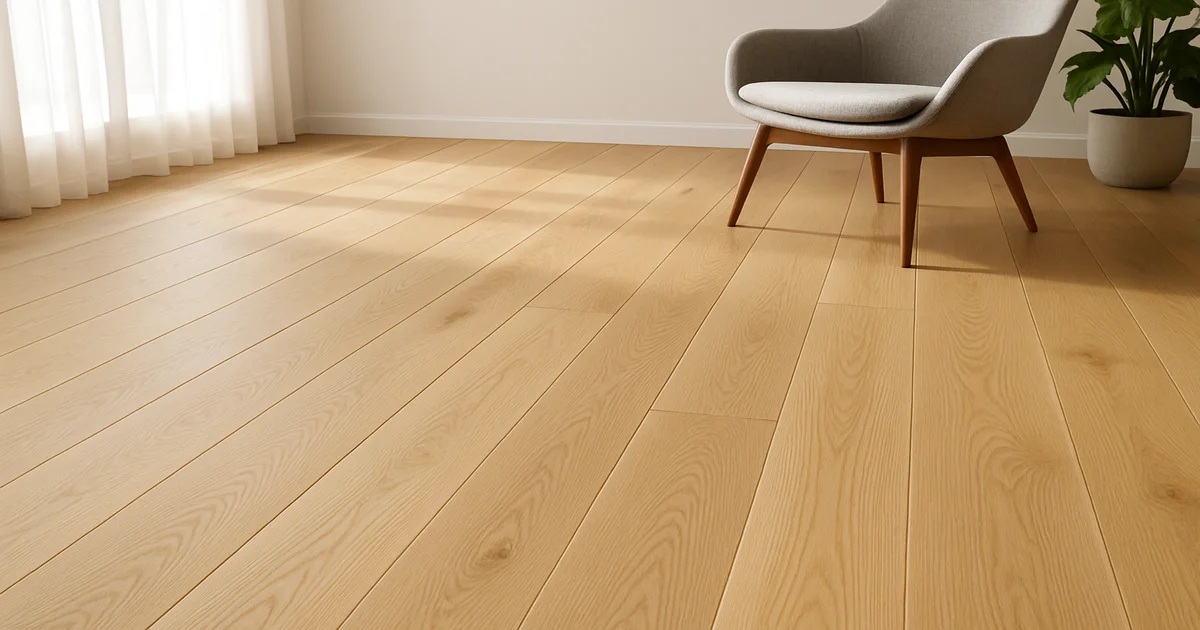
If you love the look of real hardwood but worry about maintenance, moisture, or cost, engineered wood flooring may be exactly what you’ve been searching for. Homeowners often hear the term but aren’t always sure what it actually means, or how it compares to solid hardwood. The truth is, engineered wood blends the beauty of natural wood with the smart, modern performance today’s homes need.
At Diamondback Flooring, we help Phoenix homeowners choose flooring that fits their lifestyle, décor, and long-term goals. And engineered hardwood continues to be a favorite because it balances style, practicality, and durability. Before you commit to a flooring type, it helps to understand what engineered wood flooring really is, how it’s built, and why so many homeowners prefer it.
By the time you finish reading, you’ll know exactly what this type of wood flooring offers, how installation works, and how to keep it looking incredible for years. Let’s break it down together.
What Exactly Is Engineered Wood Flooring?
Engineered wood flooring is real hardwood, but smarter. Instead of being a solid plank of wood like traditional hardwood, engineered wood is constructed with multiple layers. The top layer (called the veneer or wear layer) is genuine hardwood, which gives the floor its authentic grain, color, and texture. Beneath it are several cross-laminated plywood or high-density fiberboard layers that add strength and stability.
This layered construction is what makes engineered wood flooring different. It resists warping, expansion, and contraction far better than solid hardwood, especially in climates with temperature fluctuations, making it ideal for Arizona homes running air conditioning most of the year.
Engineered wood is still real wood. It just uses modern engineering to make that natural beauty more durable and more adaptable to everyday life.
Why Homeowners Love Engineered Wood Flooring
There’s a reason engineered wood continues to grow in popularity. It offers several major advantages that traditional Hardwood Flooring can’t match.
1. More Resistant to Moisture and Movement
Solid hardwood reacts dramatically to moisture, swelling, shrinking, and even cupping. Engineered wood’s cross-layered core keeps the planks dimensionally stable. This means fewer gaps, fewer issues along edges, and a cleaner, smoother look over time.
2. Compatible with More Areas of the Home
Because engineered wood handles humidity better, it can be installed in places where solid hardwood struggles: basements, hallways, near kitchens, or rooms with large windows. While it’s still not recommended for full bathrooms, it outperforms solid wood where temperature and moisture fluctuate.
3. A Wide Range of Styles
The top layer is real hardwood, which means you get gorgeous options, such as white oak, hickory, maple, walnut, and more. You can choose matte, satin, wire-brushed, hand-scraped, and modern wide-plank styles. Everything you love about hardwood styles is available in engineered form.
4. Easier Installation
Engineered wood can often be floated, glued, or stapled, giving installers flexibility depending on your subfloor. Floating installation is much faster and more cost-effective than traditional nail-down hardwood setups. This is especially helpful in Phoenix homes built on slab foundations.
5. Sometimes Refinishable
Depending on the thickness of the wear layer, engineered floors can be refinished once or even twice, extending their lifespan significantly. Many high-quality styles last for decades with proper care.
Understanding the Installation Process
When we install engineered wood, we start with a full in-home assessment. We check moisture levels, examine your subfloor, and help you choose the right installation method based on your home’s layout.
Floating floors are fast and clean, making them ideal for remodels. Glue-down installations offer long-term stability and are great for large, open spaces. Staple-down methods provide a traditional, solid-wood feel but require the right subfloor materials.
Proper acclimation is essential. Even engineered wood needs time to adjust to your home’s temperature and humidity before installation begins. Once installed, transitions, trims, and finishing details complete the look so your new floor feels custom and cohesive.
How to Care for Engineered Wood Flooring
Engineered wood is durable, but like all wood, it appreciates a little attention.
Keep grit and dust off the surface with regular sweeping or vacuuming. Use mats at entryways to prevent sand and dirt from scratching the finish. Clean spills promptly, use wood-safe cleaners, and avoid excessive moisture when mopping. Furniture pads help protect your floor from dents and drag marks.
With these simple habits, engineered wood flooring maintains its beauty and character for many years. Also Read The Ultimate Guide to Wood Floor Damage.
See Engineered Wood Flooring in Your Home Before You Decide
The best way to choose flooring is to see it in your lighting and next to your décor. Diamondback Flooring brings engineered wood samples right to your door so you can compare finishes, tones, and plank sizes where they truly matter.
We’ll help you explore styles, explain wear-layer differences, break down installation options, and give you a clear, no-pressure estimate. Choosing the right floor becomes easy, not overwhelming.
Ready to Explore Engineered Wood Flooring?
Schedule a free in-home consultation with Diamondback Flooring. Let us help you discover the perfect engineered wood flooring for your home, beautiful, durable, and expertly installed.